Table of contents
Efficient land management often hinges on selecting the right equipment for handling organic debris and vegetation. Many property owners and land managers face the choice between mulchers and chippers, both of which offer unique advantages. Explore the distinctions and applications of each to ensure your land remains healthy, accessible, and productive.
Understanding mulchers
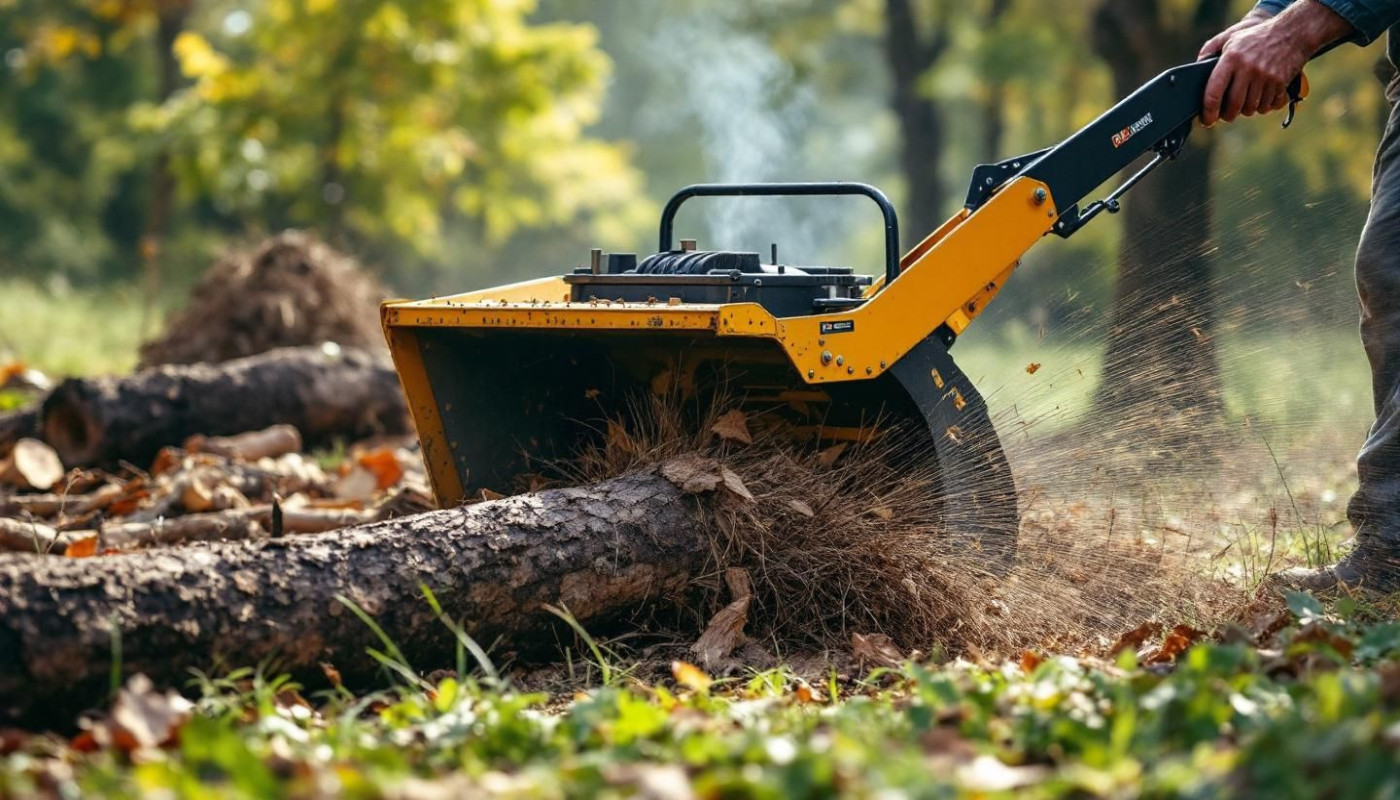
Mulchers are specialized forestry equipment designed for efficient land clearing and vegetation management by shredding organic debris directly on site. A rotary mulcher, the most common type, features a rapidly spinning drum or disc equipped with blades that cut and grind brush, saplings, and small trees into fine mulch. This process is highly effective for dealing with overgrown fields, forest undergrowth, neglected pastures, and roadside maintenance, as mulchers can process a mix of woody material and softer vegetation, returning valuable organic matter to the soil. By dispersing shredded material across the ground, these machines improve soil health by promoting nutrient cycling and reducing erosion risk. Unlike other land clearing methods such as bulldozing or burning, which often remove or destroy topsoil, mulching preserves the land’s structure and fertility while minimizing environmental disturbance.
Mulchers handle a wide variety of materials, including brush, invasive species, vines, and small trees up to several inches in diameter, making them versatile for both small-scale and large-scale projects. Their ability to create a uniform layer of mulch distinguishes mulching from more disruptive clearing practices. For those seeking further guidance or considering equipment options, consult this useful site for additional information on mulchers and chippers, their capabilities, and best practices in professional vegetation management.
Exploring chippers
Wood chippers serve a specialized function in land management, designed to break down larger woody materials such as tree branches, thick brush, and even small trunks into manageable chips. These machines employ mechanisms like rotating drums or disk blades, with the drum chipper standing out as a robust choice for processing high volumes of dense materials. The mechanical process involves feeding yard waste or cut branches into a hopper, where sharp, high-speed blades inside the drum chipper slice and chip the material into uniform pieces suitable for brush disposal or as a base layer for sustainable landscaping paths. Chipping is distinct from mulching; while mulchers shred softer, finer materials into mulch for soil enrichment, chippers are built to handle tougher, woody debris that mulchers cannot process efficiently. This makes them essential for storm cleanup, forest thinning, and routine maintenance of wooded properties where large tree branches or heavy brush are common. In situations where the volume or size of debris exceeds the capacity of a standard mulcher, or when preparing materials for biomass energy or erosion control, the use of a wood chipper becomes indispensable for efficient and responsible land management.
Comparing efficiency & output
When evaluating mulchers and chippers for biomass processing, equipment efficiency is a key factor in selecting the most suitable tool for specific land management objectives. Mulchers generally offer superior speed for clearing large areas, as they can process and shred vegetation, small branches, and undergrowth in place, transforming them into a fine mulch that directly benefits the soil. This approach not only enhances debris reduction but also supports eco-friendly practices by returning nutrients to the land. Chippers, in contrast, specialize in handling larger branches and logs, producing uniform wood chips that can be repurposed for material reuse such as path surfacing or composting. While chippers may require more time and effort to feed materials, they deliver a higher quality, cleaner output ideal for specific agricultural or landscaping needs.
Ease of use and maintenance requirements also differentiate these machines. Mulchers are often favored for their straightforward operation and ability to manage mixed vegetation without extensive sorting, streamlining the land-clearing process. However, their output may include a mix of soil and plant debris, potentially limiting reuse options. Chippers demand more careful operation to avoid jams and typically need regular blade maintenance to maintain peak performance. In sum, mulchers excel where rapid area coverage and soil improvement are primary goals, while chippers are preferable when uniform, reusable wood chips are desired. Selecting between these tools hinges on balancing speed, output quality, and the specific demands of eco-friendly land management projects.
Applications for different landscapes
Mulchers and chippers both serve as site-specific solutions for managing various landscapes, each excelling under different conditions. In forests and during habitat restoration projects, mulchers are particularly advantageous, as they can rapidly process underbrush, invasive plants, and smaller trees, returning organic material directly to the soil to enhance nutrient cycling and promote regeneration. For urban land management and tree maintenance in city parks, chippers are often preferred, especially when dealing with pruned branches and storm debris, because they transform woody materials into manageable mulch or transportable chips without disturbing surrounding infrastructure. On large-scale agricultural fields and rural property care, mulchers allow efficient clearing of overgrown areas to prepare land for new crops or grazing, while minimizing labor and maintaining soil structure. Parks and recreational landscapes, facing unique landscape challenges, frequently benefit from a combination of both tools: mulchers to address widespread brush and chippers for targeted tree debris removal. Certified ecological restoration planners consistently recommend aligning equipment choice with landscape characteristics and restoration goals to ensure the most effective and sustainable outcomes.
Making the right choice
Selecting the optimal equipment for land management depends on several strategic factors. Project size plays a pivotal role: mulchers are often suitable for larger areas requiring fast vegetation reduction, while chippers excel when dealing with concentrated woody debris. Desired end product also influences equipment selection: mulchers produce fine mulch ideal for erosion control and soil improvement, whereas chippers generate uniform wood chips preferred for landscaping or biofuel. Terrain conditions must be evaluated, as mulchers can navigate uneven or dense undergrowth, while chippers may be preferable in accessible, level sites. Environmental impact is another consideration; mulchers return organic material to the soil, promoting nutrient cycling, while chippers facilitate removal for off-site processing or sale. Assessing resource allocation, including available labor and machine runtime, ensures project planning is aligned with cost effectiveness.
Key takeaways include aligning equipment choice with the scale and goals of the project, the nature of the site, and the preferred outcome for biomass. Prioritize machinery that offers versatility if managing diverse landscapes, and always factor in long-term ecological effects, such as soil enrichment and habitat preservation. Actionable tips for effective land management include conducting a thorough site assessment, forecasting material volume, and considering future land use when selecting between mulchers and chippers. Balancing upfront investment with operational efficiency will maximize returns on resource allocation and contribute to a sustainable environmental impact.
Similar

Exploring The Effectiveness Of Ultrasonic Repellents In Gardens

Exploring The Popularity And Varieties Of Modern Garden Gnomes
Discover the Power of Aquaponics: Fresh Produce All Year Round